The Unseen Peril: How Secondhand Smoke Threatens the Concert Experience
There's a unique magic to a live concert. The collective anticipation as the house lights dim, the visceral thump of the bass you feel in your chest, and the shared joy of singing along with thousands of other fans. It’s a space for connection, release, and pure, unadulterated enjoyment. But for a growing number of concert-goers, this experience is being clouded, quite literally, by an unseen peril: the pervasive and harmful effects of secondhand smoke. What many dismiss as a mere nuisance is, in fact, a significant public health issue that undermines the very essence of a safe and enjoyable musical event.
The term "secondhand smoke" might conjure images of smoky bars from a bygone era, but the reality is that it remains a persistent problem in open-air amphitheaters, crowded festival grounds, and even near the entrances and ventilation systems of indoor venues. This isn't just about a faint, unpleasant odor clinging to your jacket the next day. We are talking about a toxic cocktail of over 7,000 chemicals, hundreds of which are toxic, and about 70 that can cause cancer. For the non-smoking audience member, attending a show should not be a health trade-off.
Let's break down exactly what you're inhaling when you're standing near someone lighting up. Secondhand smoke is a combination of "sidestream smoke" (the smoke that comes from the burning end of a cigarette, cigar, or vaping device) and "mainstream smoke" (the smoke exhaled by the smoker). Sidestream smoke is particularly dangerous because it is generated at a lower temperature and contains higher concentrations of many of the carcinogens. When you're packed shoulder-to-shoulder in a crowd, your exposure to this toxic brew is intense and unavoidable. The health risks of secondhand smoke exposure are not a matter of debate; they are well-documented by every major health organization in the world.
For the average concert-goer, the immediate effects can put a damper on the entire evening. Immediate health effects of secondhand smoke at concerts include eye irritation, making it hard to keep your eyes on the stage as they sting and water. It can trigger headaches, pounding in time with the music for all the wrong reasons. It irritates the throat, leading to coughing and hoarseness that can steal your voice for singing along. For those with allergies, it can provoke sneezing and nasal congestion. Imagine paying hundreds of dollars for a ticket, only to spend the main act battling a throbbing headache and a raw throat caused by the people around you, not the band's volume.
For a significant portion of the population, the consequences are far more severe. Secondhand smoke and concert asthma attacks are a very real and terrifying scenario. Millions of people live with asthma, and for them, smoke is a powerful trigger. An enclosed or semi-enclosed space filled with smoke can quickly become a danger zone. An asthma attack at a concert is not just a medical emergency; it's a traumatic event that can force a fan to miss the show, require urgent medical attention, and create a lasting fear of attending future events. The same applies to those with other respiratory conditions like COPD or bronchitis. These individuals have a right to enjoy live music without fearing for their ability to breathe.
Furthermore, we must address the long-term cancer risk from occasional secondhand smoke exposure. A common rebuttal is, "It's just one night; it can't be that bad." But science tells a different story. There is no risk-free level of exposure to secondhand smoke. The carcinogens in it, such as benzene, formaldehyde, and polonium-210, can cause cellular damage from a single, intense exposure. While the risk from one concert is lower than that from living with a smoker, it contributes to a cumulative lifetime exposure. When you consider that a dedicated music fan might attend dozens of events a year, this intermittent but repeated exposure becomes a genuine health concern, increasing the risk of lung cancer, heart disease, and stroke over time.
The conversation is no longer limited to traditional tobacco smoke. The rise of vaping has created a new challenge. Many believe that the impact of vaping secondhand aerosol on indoor air quality is negligible. While "vape smoke" is technically an aerosol, it is not harmless water vapor. It contains ultrafine particles that can be inhaled deep into the lungs, along with nicotine, volatile organic compounds (VOCs), and heavy metals like nickel, tin, and lead. In an indoor venue, this aerosol degrades air quality and can pose similar respiratory irritation risks as traditional smoke, particularly for those with sensitivities. The sweet, fruity scent does not equate to safety.
So, what is the solution, and what are your rights as a ticket-buying fan? The most effective answer lies in clear and consistently enforced policies. Benefits of 100% smoke-free concert venues are immense. Firstly, it creates a healthier environment for everyone—audience members, performers, and the staff working long hours at these events. It improves air quality, making the experience more pleasant for the vast majority who do not smoke. It also eliminates the dilemma of having to choose between your health and your favorite artist's performance.
Many venues have adopted designated smoking areas solutions for outdoor events. When implemented correctly, these areas can be a compromise. They must be truly isolated, downwind, and far enough from high-traffic areas like entrances, exits, food vendors, and restrooms to prevent smoke from drifting into the crowd. A poorly placed smoking area simply concentrates the problem and forces non-smokers to pass through a cloud of smoke. For this system to work, it requires clear signage and respectful adherence from smoking attendees.
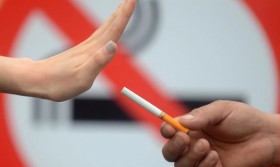
As an individual, you also have power. If you are at a venue with a no-smoking policy that is being ignored, you can politely bring it to the attention of a security guard or usher. You are not being a "killjoy"; you are advocating for your health and the policy the venue itself has set. When purchasing tickets, you can look into the venue's policy beforehand. Supporting venues that take a strong stance on clean air sends a powerful market message.
The core of the issue is one of respect and shared space. A concert is a communal activity. The freedom of one person to smoke should not infringe upon another person's freedom to breathe clean air and enjoy the event in good health. The rights of non-smokers at public music events to a safe environment are paramount. This is about more than personal preference; it's about a fundamental aspect of public welfare.
In conclusion, the next time you see plumes of smoke rising under the stage lights, remember it's more than just an aesthetic choice. It's a cloud of toxins that can ruin the night for those around it and pose real, tangible health risks. By understanding the dangers of passive smoking in crowded spaces, advocating for stronger policies, and making respectful choices, we can all work towards ensuring that the only thing we take away from a concert is the memory of an incredible performance, not the hidden harm of secondhand smoke. Let's work together to keep the air clear and the focus where it belongs: on the music.